

 Virginia, United States — 1856
In the mid-19th century American South, where rigid social norms dictated a woman’s worth, one young woman’s life was nearly written off before it had truly begun.
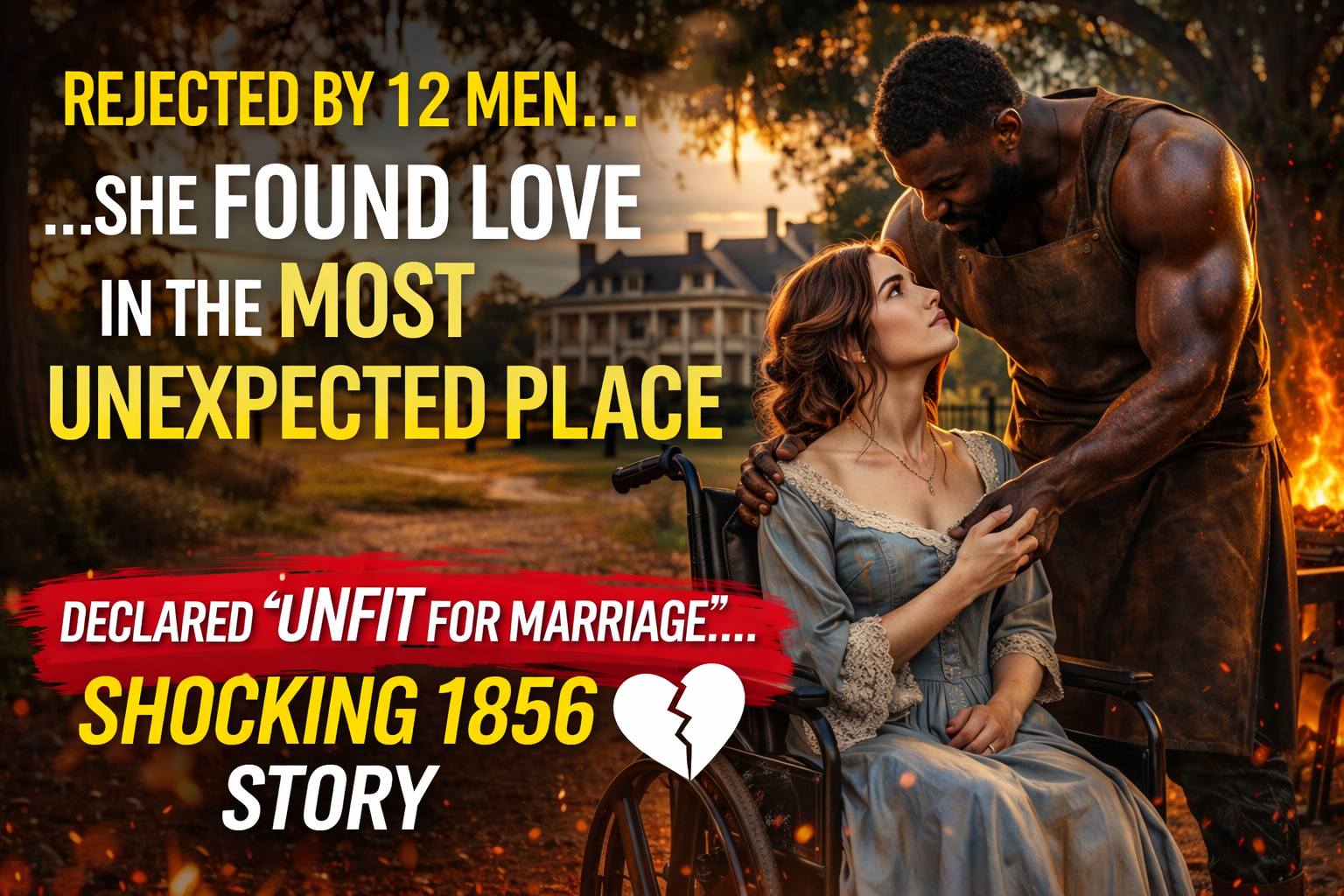
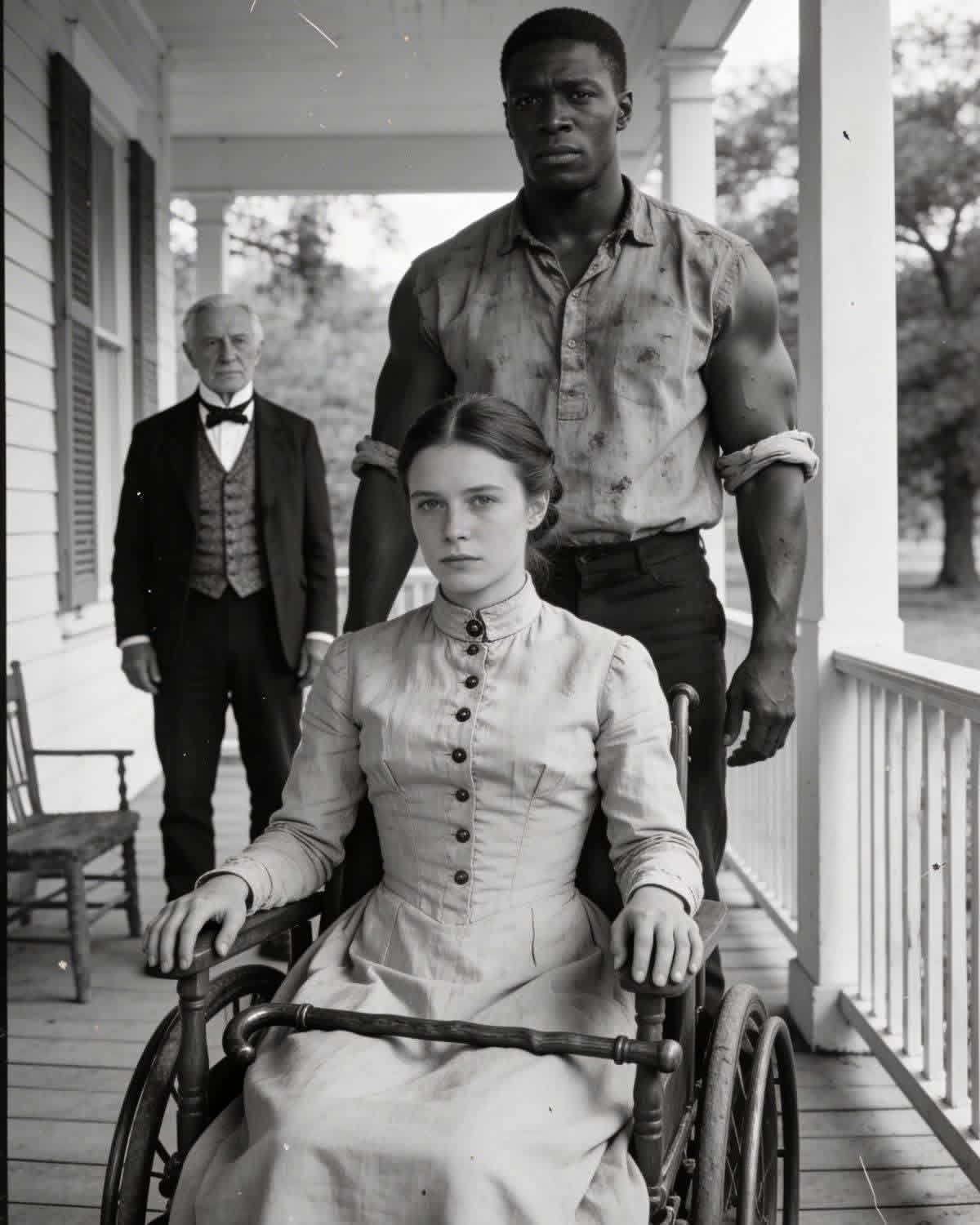
Elellanar Whitmore, a 22-year-old woman living on her family’s plantation in Virginia, had been rejected by twelve potential suitors over a span of four years. The reason was not her character, nor her background—but her disability.
Confined to a wheelchair after a childhood horseback accident left her unable to walk, Elellanar was widely perceived as “unfit for marriage” in a society that expected women to manage households and raise children.
A Society That Measured Women by Physical Ability
In 1850s Virginia, marriage was often seen as a transaction tied to social status, productivity, and lineage. Women with disabilities faced severe stigma, often excluded from traditional roles.
Despite coming from a wealthy family, Elellanar’s condition overshadowed her status. Rumors—some spread without medical basis—questioned her ability to bear children, further damaging her prospects.
Each rejection reinforced a painful reality: her future, as defined by society, appeared increasingly limited.
A Father’s Unconventional Decision
Her father, Colonel Richard Whitmore, a prominent landowner, grew increasingly concerned about his daughter’s fate. After repeated failed attempts to secure a marriage, he made a decision that defied both social norms and legal boundaries.
He arranged for Elellanar to be paired with Josiah, an enslaved blacksmith on their plantation.
At the time, such an arrangement could not be legally recognized as marriage. However, it marked the beginning of a relationship that would challenge deeply rooted beliefs about class, race, and human worth.
An Unexpected Connection
Josiah was known among locals for his physical strength and intimidating presence. Yet beneath that exterior was a man of intelligence and quiet dignity.
In their first meaningful conversation, Elellanar discovered that Josiah had secretly taught himself to read—despite laws prohibiting enslaved people from literacy.
He spoke passionately about literature, including the works of Shakespeare, offering interpretations that surprised and impressed her.
For the first time in years, Elellanar felt seen—not as a burden, but as a person.
A Bond Beyond Social Barriers
Over time, their relationship evolved into a partnership built on mutual respect and understanding.
Josiah assisted her with daily tasks, always with care and consent. They spent hours reading, discussing ideas, and even working together at the forge, where he taught her how to shape metal—an experience that helped her rediscover her own strength.
What began as an arrangement gradually transformed into a deep emotional connection—one that defied the expectations of their time.
A Story That Challenges History
While records from this period are often incomplete or shaped by dominant narratives, stories like Elellanar’s continue to circulate through historical accounts and oral traditions.
They serve as reminders of the resilience of the human spirit—and the ways in which love and dignity can emerge even in the most restrictive circumstances.
Source
This story is based on historical context from 19th-century American slavery-era narratives and oral storytelling traditions. While not fully verified as a documented historical case, it reflects the social realities, inequalities, and human experiences of that time.